Originally, the Henna paste was applied to the hand and feet of people in the dessert as it has cooling properties. When it dried it would leave a stain on the body so it was then applies as designs on the body so that the stain was not as obvious. Over time different intricate patterns and meanings were adding to Henna. As the meaning for Henna changed over time, it not only began to be popular with the rich and middle class people, but also with the poor as Henna had become a way of decorating the body without the expensive jewelry. It also is used to dye the hair. As time moves on, Henna was used/ applied during celebrations (to took on different meanings) as a form of non permanent tattoos.
It was mainly used in the celebration of weddings. However, it now has westernised and is used more as a natural, semi-permanent tattoo as it stains the skin for only a few days.
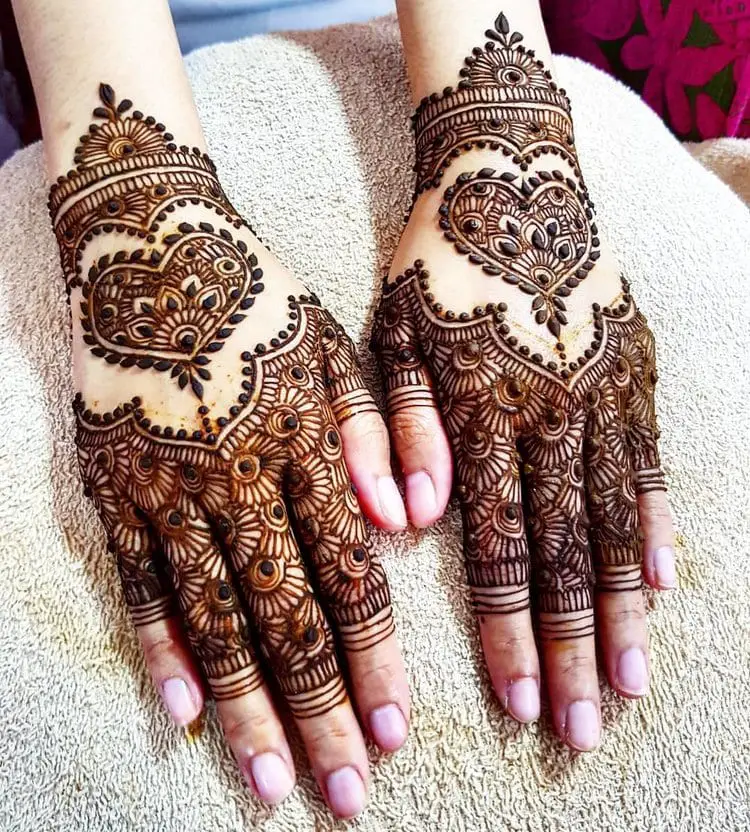
Here are a few images of Henna art:


References:
Silknstone.com.(2018). Silk & Stone - Origin and History of Henna.[online].[Accessed:12 January 2018] Available from: https://silknstone.com/About-Henna.html
Fragrance X Library.(2017). The Art and History
| of Henna as Bodyart.[online].[accessed: 12 January 2018]. Available from: https://www.fragrancex.com/fragrance-information/the-art-and-history-of-henna-as-bodyart.html |

No comments:
Post a Comment